
The Race Was Over. She Didn’t Leave the Track.

Marián Álvarez, the only Spanish runner to reach the women’s 3000m final at the 1984 Los Angeles Olympics. She finished last—nearly half a second behind the champion. But she did not leave the track.
—
August 12, 1984. Los Angeles Memorial Coliseum. Women’s 3000m final.
Marián Álvarez stood in lane eight, taking slow breaths. She was the only Spanish runner in the final. Twenty-two years old, from a working-class family on the outskirts of Madrid. She had trained six years for this race. No one in Spain was watching her—the country’s medal hopes were in men’s events. But she knew this was the most important ten minutes of her life.
The gun went off.
Halfway through the race, the pack bunched and someone fell. Álvarez swerved to avoid the fallen runner. Her rhythm broke—heart rate spiked, breathing went ragged. It took her a full lap to find her pace again, but she had fallen too far behind. She finished twelfth. Last.
After the race, she didn’t cry. Her coach patted her shoulder; she waved him off. She picked up her bag and sat on the grass at the edge of the track, watching the stadium crew begin to dismantle the timing equipment. She sat there for nearly an hour.
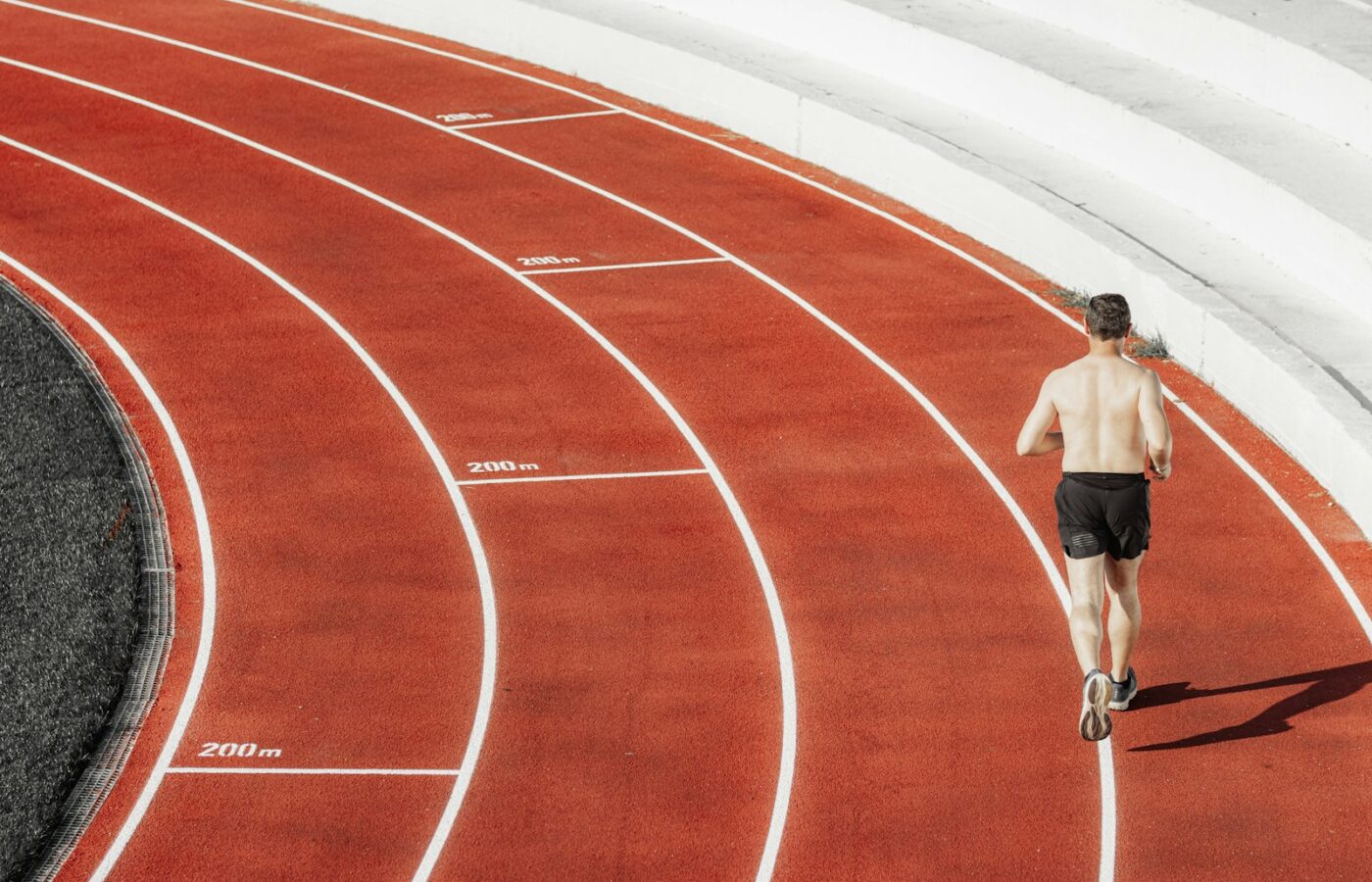
Then she stood up. She took off her spikes and walked barefoot to the start line. She walked the entire track—not running, just walking. Slowly. When she reached the finish line, she crouched down and touched the white line.
That night, she called her mother in Madrid. “I finished, Mama,” she said. “Not well. But I finished.”
Her mother said: “Come home.”
She came home.
In 1985, Álvarez retired. No press conference, no farewell race. She took an administrative job at a sports club in Madrid. She didn’t become a coach, didn’t write a memoir. A year later, she got married and had two children.
In 2000, a sports journalist working on a feature about “Olympians who never won a medal” found her in a modest apartment. Sixteen years after that race, the journalist asked: Do you still think about it?
She said: “I don’t regret finishing last. I only regret that for one minute of those ten, I was thinking about other things—about what if I’d fallen, about what the coach would think, about what the Spanish papers would say. That minute of hesitation hurts more than coming last. It took me a long time to learn this: when you’re standing on the start line, the only thing you can control is yourself. Everything else—what people think, how it turns out—that’s not your lane.”
The journalist asked: Do you still run?
“No,” she said. “But I walk every morning. And when I walk, I don’t let anyone set my pace.”
In 2001, a small town on the outskirts of Madrid named its only sports stadium “Pista Marián Álvarez.” It’s not a big stadium, and the track is old. But the plaque doesn’t mention anything she won—it mentions that she finished an Olympic race last, and then walked a lap alone at night, to make sure she had truly finished.
She never became a symbol of Spanish sports. Her name isn’t in any textbook. But the children in that town sometimes sit on the worn tartan track after training and hear the coach tell the story of a woman who came last in the Olympics, and then walked a lap by herself.
The coach says that lap was longer than the race.
—
**Tags:** #MariánÁlvarez #Spain #Athletics #1984LosAngeles #LastPlace
**Sources:** El País 2000 Olympic special feature “Olympians Who Never Won a Medal”; 1984 Los Angeles Olympics Women’s 3000m official results; Madrid town stadium naming records.