
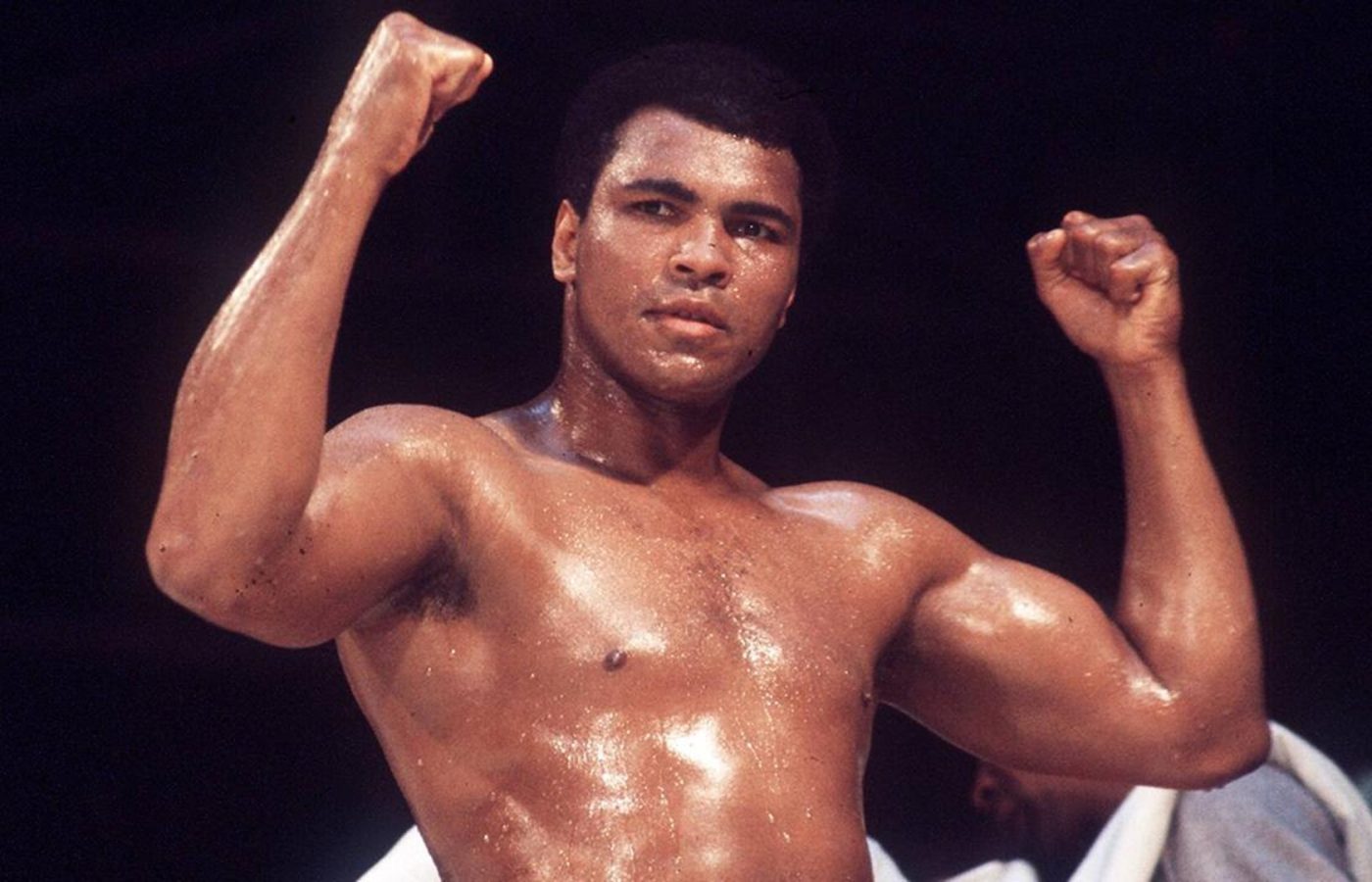
The Time He Lost Was Greater Than the Time He Won – Muhammad Ali
The Olympic Gold
At the 1960 Rome Olympics, a 18-year-old Cassius Clay won gold in the light heavyweight division. He returned to the United States a champion. But when he wore his gold medal around his neck in his hometown of Louisville, he was still refused service at a whites-only restaurant. He threw the medal into the Ohio River.
The Greatest
He became world heavyweight champion in 1964, defeating Sonny Liston. He joined the Nation of Islam and changed his name to Muhammad Ali. He defeated Liston again, then George Foreman, then Joe Frazier. He was the most famous athlete on earth.
The Draft Refusal
In 1966, Ali was drafted to fight in the Vietnam War. He refused, citing religious beliefs and opposition to the war. “I ain’t got no quarrel with them Viet Cong,” he said. “No Viet Cong ever called me n****r.”
He was stripped of his heavyweight title, banned from boxing for three years, and faced five years in prison. He did not fight again until 1970.
The Comeback and the Legacy
Ali returned to boxing and reclaimed his title in the “Rumble in the Jungle” against George Foreman in 1974. He fought until 1981.
Later diagnosed with Parkinson’s disease, he became a global symbol of courage and conviction. In 1996, he lit the Olympic cauldron in Atlanta — his hands trembling from Parkinson’s, the world watching in silence.
References
- Olympedia — Muhammad Ali
- International Boxing Hall of Fame — Muhammad Ali
- The New York Times — Muhammad Ali obituary (2016)
- ESPN — “Ali: The Greatest of All Time”
test comment