
“My Medals Were Won by Someone Else” — The Swimmer Who Told the Truth About East German Doping

The Gold Medal She Did Not Choose
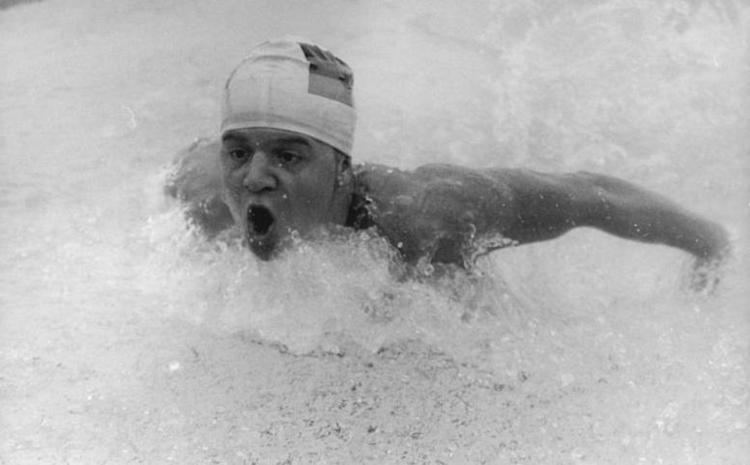
Petra Schneider was born on January 11, 1963, in Karl-Marx-Stadt (now Chemnitz), East Germany. She showed talent in the water early. By 1980, at just 17, she was the best in the world. At the Moscow Olympics, she won the 400m individual medley in 4:36.29 — a world record that would stand for over a decade.
She was celebrated as a hero of the socialist state. Her picture appeared in newspapers. Coaches praised her dedication. She had no reason to doubt any of it. She was young, gifted, and winning. What she did not know was that her body had never been fully her own.
State Plan 14.25
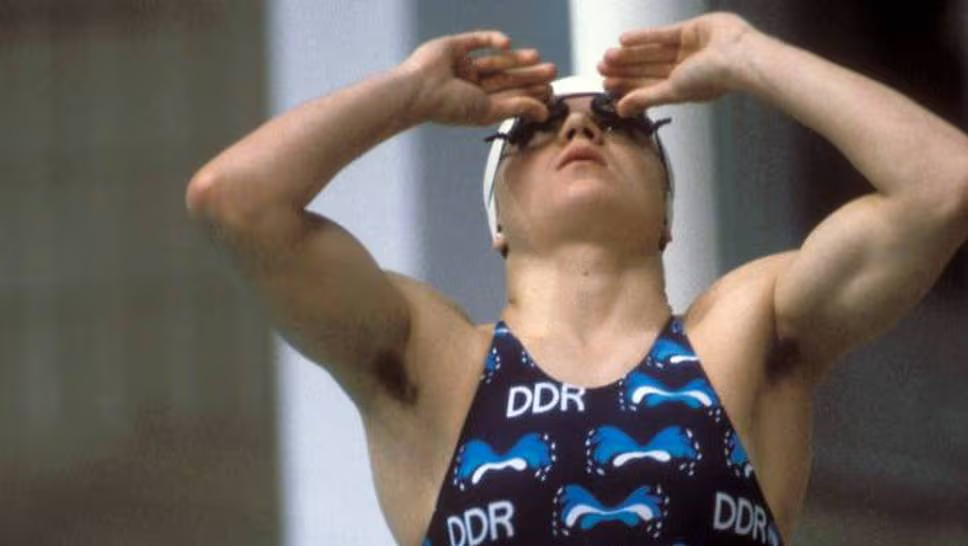
After World War II, East Germany created a state-sponsored doping program unlike anything the sporting world had ever seen. Codenamed State Plan 14.25, it was a systematic effort to win Olympic medals through the administration of performance-enhancing drugs — primarily oral turinabol, an anabolic steroid — to athletes without their informed consent.
The program targeted children. Coaches and doctors identified promising young athletes and began doping them early, often without their knowledge. The drugs were sometimes disguised as vitamins. The athletes were told they were receiving “recovery support.” The truth was hidden in Stasi files, locked in cabinets that would not open until after the Wall fell.
Petra Schneider was one of those children. Stasi documents later confirmed she had been receiving oral turinabol since age 14. Possibly earlier. She did not know. She was told she was being helped.
The Testimony
In 1994, after the Stasi archives were opened, Schneider testified before the German Bundestag’s sports committee. She spoke about what had been done to her — how she had been given drugs without her knowledge, how her body had been altered before she was old enough to consent, how the medals she had won as a teenager belonged not to her but to a system that had used her.
She said: “My medals were won by someone else.”
The phrase became the headline of every story about her. It was devastating in its clarity. She did not deny that she had swum the races. She denied that the body that swam them had been her own, in any meaningful sense.
The Medals She Would Not Return
Some called on Schneider to return her Olympic medals. She refused.
Her reasoning was not about personal pride. She argued that returning the medals would imply that the fault was hers — that she, Petra Schneider, had cheated. The truth, she said, was that she had been the victim of a state-run doping program that she had no power to resist. The medals belonged to the system that produced them. The system, not the athlete, was the cheater.
Her refusal made her a controversial figure. Some saw her as a symbol of the doping era’s complexity — an athlete who was both a victor and a victim. Others saw her as a medal holder who refused to give up her prizes. Schneider did not seem troubled by either interpretation. She knew what had happened to her. She had told the truth. That, for her, was enough.
What Remains
Petra Schneider’s world record in the 400m individual medley stood until 1994 — broken by another swimmer from another country, in another era. Her Olympic gold medal remains in her possession, a reminder of one of the most uncomfortable truths in sports history: that the line between achievement and exploitation is sometimes drawn by people who are neither the achiever nor the exploiter, but the medals on the podium caught in between.
Schneider lives quietly in Germany today. She has spoken at anti-doping conferences. She has met with young athletes to tell them what happened. She has not hidden from her past. She has confronted it — and asked the world to confront it too.
References
- Wikipedia EN — Petra Schneider
- Berliner Zeitung — “Petra Schneider: My Medals Were Won by Someone Else” (1994)
- German Bundestag Sports Committee — Doping Testimony Records
- SPORT1 — East German Doping Scandal Archives
- Olympedia — Petra Schneider